Have you ever noticed that your usual skincare products suddenly start making your skin sting? Maybe your face feels unusually tight after washing, looks red for no obvious reason, or becomes flaky even though you regularly apply moisturizer.
It is tempting to respond by buying another serum, trying a stronger treatment, or adding more products to your routine. But sometimes, the problem isn't that your skin needs more products. It may need fewer.
Your skin has a natural protective layer called the skin barrier. When this layer becomes irritated or impaired, your skin can struggle to retain moisture and become more sensitive to everyday products and environmental conditions.
The good news is that you can often support your skin barrier by simplifying your skincare routine and making a few thoughtful changes.
In this guide, we'll explain what the skin barrier does, how to recognize signs of damage, what commonly causes it, and how to build a practical skin barrier repair routine.
What Is the Skin Barrier?
The skin barrier is the outermost protective layer of your skin. Its main job is to help keep moisture inside while protecting the skin from external irritants, pollutants, and other environmental factors.
Think of it as a protective wall. Skin cells form the building blocks, while natural fats called lipids help hold everything together.
Three important components of this protective structure are:
- •Ceramides: Natural lipids that help maintain the structure of the skin barrier and prevent excessive moisture loss.
- •Cholesterol: A lipid that works alongside ceramides to support the skin's protective structure.
- •Fatty acids: Help maintain the skin's surface and support its ability to retain moisture.
When this protective layer is functioning properly, skin is generally better able to maintain hydration and tolerate everyday environmental exposure.
However, when the barrier becomes impaired, moisture can escape more easily. Irritants may also penetrate the outer layer more readily, potentially contributing to dryness, redness, and sensitivity.
This is why maintaining a healthy skin barrier is important regardless of whether you have oily, dry, combination, or sensitive skin.
7 Signs Your Skin Barrier May Be Damaged
A damaged skin barrier doesn't always look the same for everyone. Some people experience persistent dryness, while others notice redness, unusual sensitivity, or discomfort after applying products they previously tolerated.
Here are seven signs worth paying attention to.
1. Your Skin Feels Tight After Washing
A little temporary tightness can happen after cleansing, but if your face regularly feels stretched, uncomfortable, or unusually dry afterward, your cleanser or washing habits may be too harsh for your skin.
This can happen when cleansing removes too much of the skin's natural surface oil.
Consider switching to a gentle cleanser and avoiding excessively hot water. Your face should feel clean after washing, not stripped or uncomfortable.
2. Skincare Products Suddenly Start Stinging
One of the more noticeable signs of increased skin sensitivity is when products that previously worked well begin causing burning, tingling, or stinging.
This may happen when the protective outer layer is irritated.
Pay particular attention to products containing exfoliating acids, retinoids, strong acne treatments, or fragrance. These ingredients are not automatically harmful, but they can become difficult to tolerate when your skin is already irritated.
If several products suddenly cause discomfort, consider simplifying your routine rather than continuing to layer them.
3. Your Skin Becomes Flaky or Rough
When your skin struggles to retain moisture, its surface can become dry, rough, or visibly flaky.
You might notice small patches around your nose, forehead, cheeks, or chin.
It can be tempting to use a facial scrub or exfoliating acid to remove the flakes. However, exfoliating already irritated skin can make the problem worse.
Instead, focus on gentle cleansing and moisturizing until your skin becomes more comfortable.
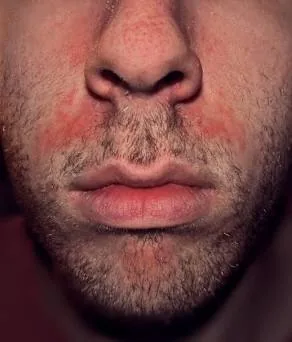
4. You Experience Unusual Redness
Redness can have several causes, including irritation, allergies, rosacea, and other skin conditions.
If your face becomes red after applying skincare products or experiences frequent episodes of irritation, your skin may not be tolerating your current routine.
Pay attention to whether the redness appears after using a particular product or treatment.
Persistent or worsening redness deserves attention from a dermatologist, particularly if it comes with swelling, itching, or discomfort.
5. Your Skin Feels Itchy or Uncomfortable
An impaired skin barrier can contribute to dryness and irritation, which may make your face feel itchy.
You might notice the discomfort more after showering, washing your face, or spending time in dry environments.
Avoid scratching or aggressively rubbing the affected areas. Both can further irritate the skin.
If itching is persistent or accompanied by a rash, don't automatically assume that your skin barrier is the only problem. Conditions such as eczema and contact dermatitis can produce similar symptoms.
6. Your Skin Feels Dry Even After Applying Moisturizer
Do you apply moisturizer regularly but still find that your face feels dry a short time later?
This may indicate that your current moisturizer isn't providing enough support for your skin's needs.
It could also mean that your cleanser, environment, or other skincare products are contributing to moisture loss.
Consider using a moisturizer with ingredients such as ceramides and glycerin. The right formulation depends on your skin type and how much moisture your skin needs.
7. Your Skin Becomes More Reactive Than Usual
You may notice that your skin reacts to products, weather changes, or everyday environmental conditions that previously caused no problems.
For example, a product you've used for months may suddenly feel uncomfortable.
Increased sensitivity can be associated with an impaired skin barrier, although it can also have other explanations.
The important thing is to avoid immediately introducing more active ingredients in an attempt to fix the problem.
What Causes Skin Barrier Damage?
A damaged skin barrier doesn't necessarily mean you've done something seriously wrong. Sometimes, several small habits gradually contribute to irritation.
Understanding the possible causes can help prevent the same problem from returning.
Over-Exfoliating Your Skin
Exfoliation can help remove dead skin cells and improve skin texture. However, doing it too frequently or using multiple exfoliating products together can irritate the skin.
Common exfoliating ingredients include:
- •Salicylic acid (BHA)
- •Glycolic acid (AHA)
- •Lactic acid (AHA)
- •Physical facial scrubs
Using several exfoliating treatments without considering your skin's tolerance can lead to dryness, redness, and irritation.
If you want to understand how exfoliation works and how to approach it safely, read our Beginner's Guide to Exfoliating.
Using Too Many Active Ingredients
A complicated skincare routine isn't necessarily a better skincare routine.
Combining retinol, exfoliating acids, benzoyl peroxide, and other active ingredients without a suitable schedule can increase the likelihood of irritation.
This is particularly important for beginners who introduce several new products at once.
Give your skin time to adjust to new products. Introducing one product at a time also makes it easier to identify what may be causing a reaction.
Using Harsh Cleansers
Some cleansers can leave the skin feeling excessively dry or stripped, particularly if they are not suitable for your skin type.
Washing your face too frequently, using very hot water, or scrubbing aggressively can also contribute to irritation.
A gentle cleanser is usually a better choice when your skin is feeling sensitive.
Skipping Moisturizer
Moisturizer helps reduce moisture loss and supports the skin's hydration.
Skipping it when your skin is already dry or irritated may make discomfort more noticeable.
Even people with oily or acne-prone skin can benefit from an appropriate moisturizer. The key is choosing a formulation that feels comfortable and suits your skin.
Environmental Factors
Your surroundings can affect how your skin feels.
Cold weather, low humidity, wind, excessive sun exposure, and frequent exposure to dry indoor air can contribute to dryness and irritation.
Your skincare routine may need small adjustments depending on the season and your environment.
How to Repair Your Skin Barrier: A Simple Routine
If you suspect your skin barrier is irritated, the best starting point is often simplifying your skincare routine.
You don't need an expensive collection of products or a complicated ten-step regimen.
Instead, focus on gentle cleansing, suitable moisturization, and daily sun protection.
Step 1: Switch to a Gentle Cleanser
Start by choosing a cleanser that removes dirt, excess oil, sunscreen, and other surface buildup without leaving your face feeling stripped.
Look for:
- •Gentle cleansing ingredients
- •Fragrance-free formulations if your skin is sensitive
- •A formula appropriate for your skin type
Avoid harsh scrubs and aggressive cleansing brushes while your skin is irritated.
You generally don't need to wash your face repeatedly throughout the day. A simple morning and evening routine is sufficient for many people.
Step 2: Choose a Moisturizer That Supports Your Skin Barrier
Moisturizing is one of the most important parts of a basic skin barrier repair routine.
Look for products containing ingredients that help hydrate the skin and reduce moisture loss.
Some useful ingredients include:
Ceramides
Ceramides are naturally present in the skin and play an important role in maintaining its protective structure.
Moisturizers containing ceramides can help support the skin barrier and improve hydration.
Glycerin
Glycerin is a humectant, meaning it helps attract and retain water in the outer layers of the skin.
It is commonly used in moisturizers because it helps improve skin hydration.
Hyaluronic Acid
Hyaluronic acid helps attract water and can make the skin feel more hydrated and comfortable.
It is often found in lightweight serums and moisturizers.
Petrolatum
Petrolatum is an occlusive ingredient that helps reduce water loss from the skin's surface.
It can be particularly useful for very dry areas, although heavier products may not feel comfortable for everyone.
Niacinamide
Niacinamide, also known as vitamin B3, can support skin barrier function and help improve the appearance of uneven skin tone.
Some people with sensitive skin may find certain formulations irritating, so start with a product your skin tolerates.
You don't need a moisturizer containing every ingredient on this list. A simple, well-tolerated formulation is often a better starting point than purchasing several products.
Step 3: Temporarily Reduce Strong Active Ingredients
If your skin is irritated, consider temporarily pausing nonessential products that may contribute to the problem.
These may include:
- •Retinol and retinal products
- •Glycolic acid
- •Salicylic acid
- •Strong exfoliating toners
- •Physical facial scrubs
- •Strong acne treatments that cause additional irritation
This doesn't mean these ingredients are bad for your skin.
Retinoids and exfoliating acids can have useful skincare benefits when appropriately selected and tolerated. However, continuing to use them through significant irritation may make recovery more difficult.
If you use prescription skincare treatments, speak with your prescribing healthcare professional before changing how you use them.
Step 4: Don't Forget Sunscreen
Sun protection should remain an important part of your skincare routine.
Choose a broad-spectrum sunscreen with SPF 30 or higher, and apply it as directed.
If your skin is particularly sensitive, consider a fragrance-free formulation that you can comfortably tolerate.
You can also protect your skin by wearing a hat, seeking shade, and avoiding unnecessary prolonged sun exposure.
For more information about choosing sunscreen, check out our guide: What SPF Do You Really Need?.
Step 5: Give Your Skin Time
One of the biggest mistakes people make is expecting their skin to improve overnight.
Skin barrier recovery doesn't happen instantly. The time needed depends on the severity and underlying cause of the irritation.
Rather than constantly switching products, maintain a simple routine and pay attention to how your skin responds.
If symptoms persist, worsen, or become painful, consult a dermatologist. You may be dealing with an underlying skin condition that requires a different approach.
How Long Does It Take to Repair a Damaged Skin Barrier?
This is one of the most common questions people have when dealing with irritated or sensitive skin.
Unfortunately, there isn't one recovery timeline that applies to everyone.
Mild irritation caused by an unsuitable cleanser or excessive exfoliation may improve after simplifying your routine. More significant inflammation or an underlying skin condition can take considerably longer to manage.
Several factors influence recovery:
- •Severity of irritation: More significant inflammation generally requires more attention.
- •Cause of the damage: Irritation from skincare products is different from an ongoing condition such as eczema.
- •Your skincare routine: Continuing to use irritating products may interfere with improvement.
- •Your environment: Low humidity, cold weather, and other environmental conditions can contribute to dryness.
Instead of focusing on a specific number of days, look for gradual improvements.
Your skin may begin to feel less tight, experience less discomfort after cleansing, and tolerate your basic skincare products more comfortably.
If there is no improvement or your symptoms continue returning, seek professional advice.
What Should You Avoid During Skin Barrier Recovery?
When your skin is irritated, adding more products isn't always the answer.
Here are some habits worth avoiding while simplifying your routine.
1. Don't exfoliate peeling skin.
Flaking doesn't automatically mean your skin needs exfoliation. Scrubbing irritated skin can increase discomfort and redness.
2. Don't introduce several new products at once.
If you start using multiple new serums and moisturizers together, it becomes difficult to identify which product is helping or causing irritation.
3. Avoid excessively hot water.
Hot water can make already dry or irritated skin feel worse. Use lukewarm water instead.
4. Don't assume natural products are always gentle.
Plant extracts, essential oils, and fragrances can still irritate some people's skin. Natural ingredients aren't automatically suitable for sensitive skin.
5. Don't ignore persistent symptoms.
Ongoing redness, itching, burning, cracking, or rashes may indicate a condition that requires professional evaluation.
These changes may seem simple, but they can make your skincare routine easier to tolerate.
Frequently Asked Questions About Skin Barrier Repair
How do I know if my skin barrier is damaged?
Common signs include unusual dryness, flaking, redness, itching, increased sensitivity, and stinging when applying skincare products.
However, these symptoms can also occur with conditions such as eczema, rosacea, and contact dermatitis. A dermatologist can help determine the underlying cause.
Can I repair my skin barrier overnight?
There is no guaranteed overnight solution for an impaired skin barrier.
A suitable moisturizer may provide temporary comfort and hydration, but restoring normal skin barrier function takes time. The recovery period depends on what caused the irritation and how severe it is.
Is niacinamide good for a damaged skin barrier?
Niacinamide is an ingredient that can support skin barrier function and help improve hydration.
However, not every formulation works for every person. If your skin is currently very irritated, prioritize a simple, gentle moisturizer rather than introducing several new active ingredients.
Should I stop using retinol if my skin barrier is damaged?
If retinol is causing significant irritation, temporarily pausing it may be appropriate while your skin settles.
Avoid restarting it until your skin is comfortable and tolerating your basic routine. If you're using prescription retinoids, ask your healthcare professional for guidance.
Can oily skin have a damaged skin barrier?
Yes. Oily skin can also experience irritation, dryness, and impaired barrier function.
Having excess surface oil doesn't mean your skin is retaining enough moisture or that its protective barrier is functioning properly.
Is moisturizer enough to repair a damaged skin barrier?
Moisturizer can play an important role in supporting skin barrier recovery, but it isn't a solution for every cause of irritation.
You may also need to adjust your cleansing habits, reduce irritating products, and address any underlying skin condition.
Should I use hyaluronic acid when repairing my skin barrier?
Hyaluronic acid can help hydrate the outer layers of your skin.
It can be a useful ingredient in a moisturizer or serum, provided your skin tolerates the formulation. It should be viewed as a hydrating ingredient rather than a complete replacement for a moisturizer.
Final Thoughts: Keep Your Skincare Routine Simple
Taking care of your skin doesn't always mean adding another product to your bathroom shelf.
Sometimes, the most useful change is stepping back and giving your skin a simpler routine.
A gentle cleanser, a suitable moisturizer, and daily sun protection provide a practical starting point for many people dealing with dryness and irritation.
Pay attention to how your skin responds instead of following every trending skincare recommendation. What works for someone else may not be appropriate for your skin.
Most importantly, don't ignore persistent irritation or assume every skin problem is caused by a damaged barrier. If your symptoms continue, a dermatologist can help identify what's actually happening and recommend an appropriate treatment.
Healthy skincare starts with understanding what your skin needs, not simply how many products you use.
Continue Your Skincare Education
Beginner's Guide to Building a Skincare Routine
Learn how to build a simple morning and evening routine without unnecessary products.
The Beginner's Guide to Exfoliating
Understand different exfoliation methods and how to avoid common mistakes that can irritate your skin.
Discover everyday habits that could be making your skincare routine less effective.
Top 10 Affordable Skincare Ingredients That Work
Explore affordable ingredients that can help address different skincare needs.
Not Sure What Your Skin Actually Needs?
Choosing skincare products can feel overwhelming, especially when you're dealing with dryness, sensitivity, acne, or multiple skin concerns.
Instead of guessing which products might work, take our personalized skincare quiz to discover recommendations based on your skin type and individual concerns.